Thank you for being a piece of a bigger picture!

Starting Photography On a Budget
Some photographers might say that is impossible. But with drive and passion, anything is possible! This blog will give you some tips and tricks on starting photography, without any money.
Jazzrae Pierre
7 min read
Starting photography can be frightening when you're browsing the shops and seeing your monthly pay‑check equal the price of one camera. It’s easy to feel like photography is only for people with expensive gear - but that’s simply not true. You can start photography on a budget and still create beautiful, meaningful images.
Depending on the type of photography you want to explore and the level you’re aiming for, the equipment you need will vary. But even with basic gear, you can learn the fundamentals and grow your skills.
Photography Is More Than the Camera You Hold
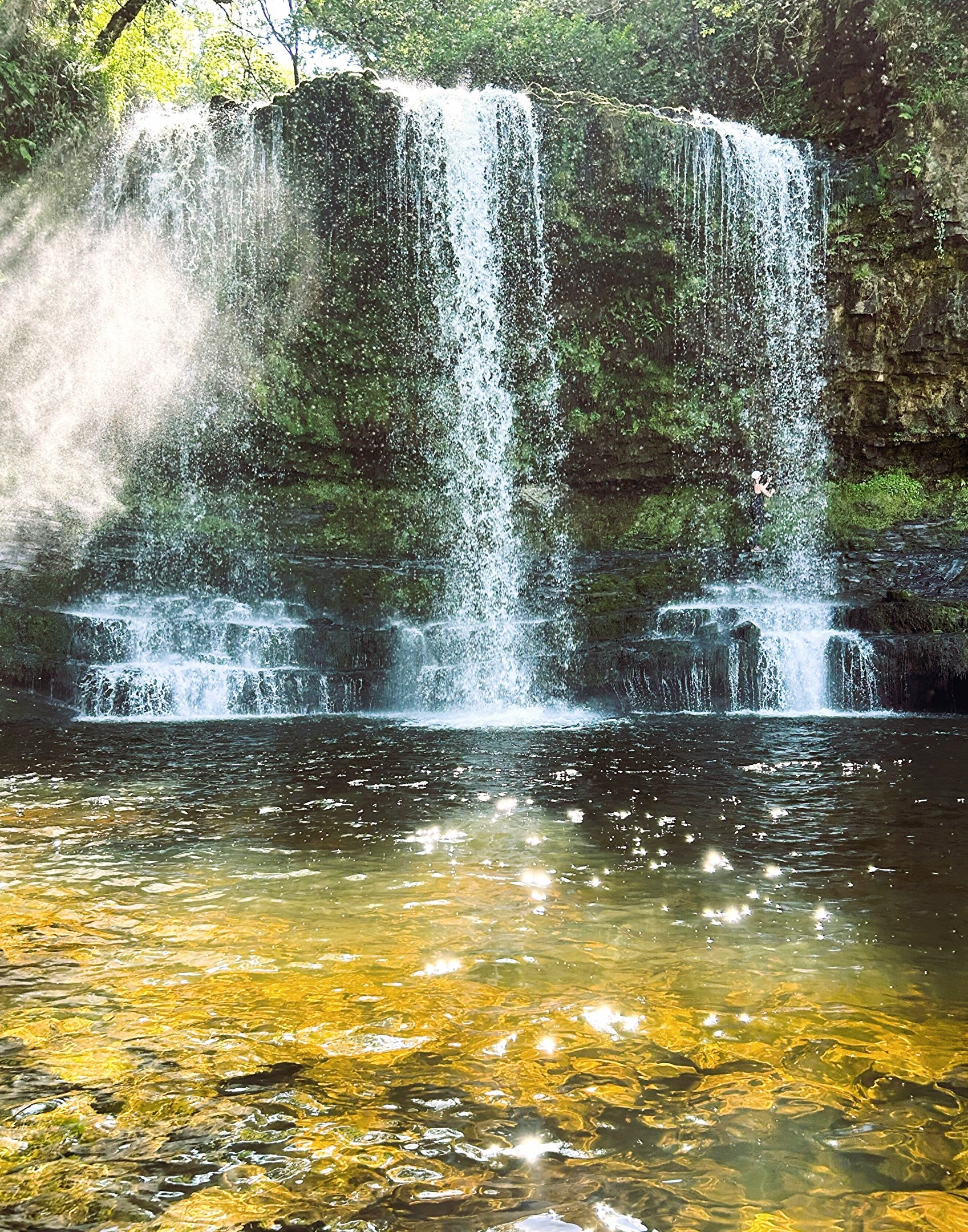
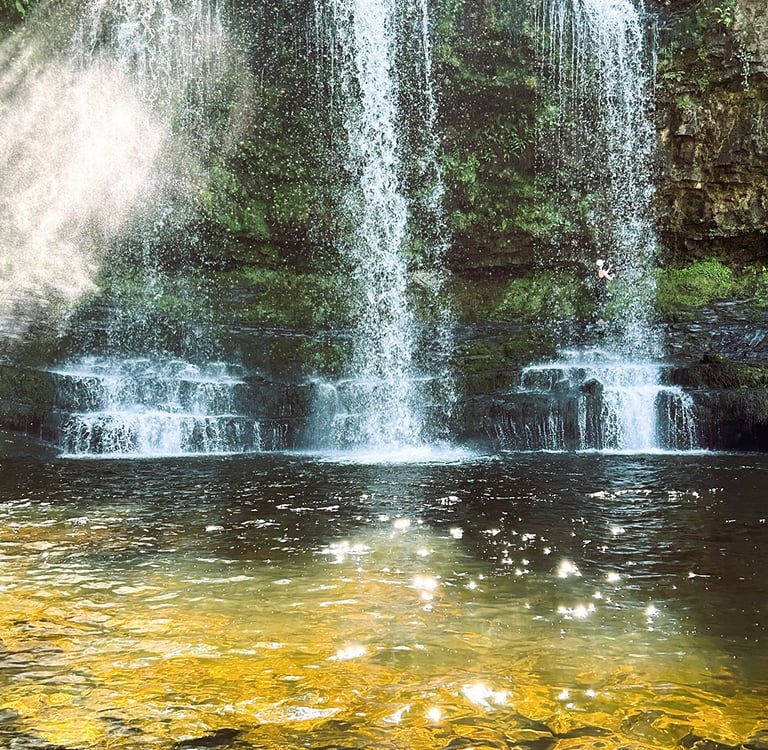
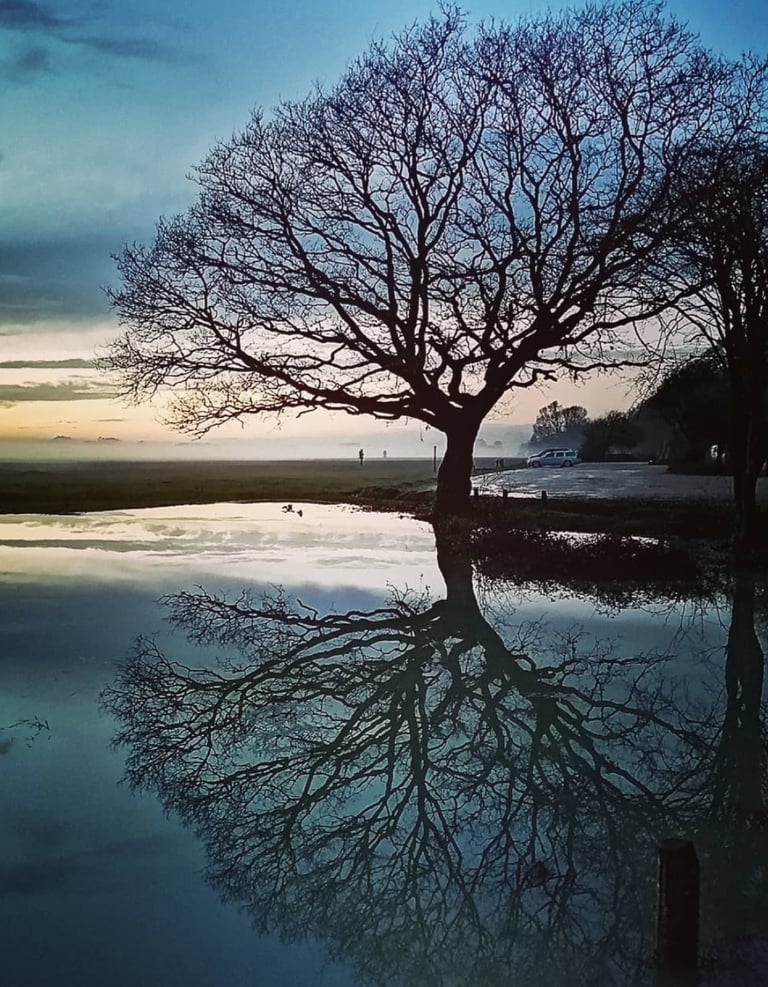
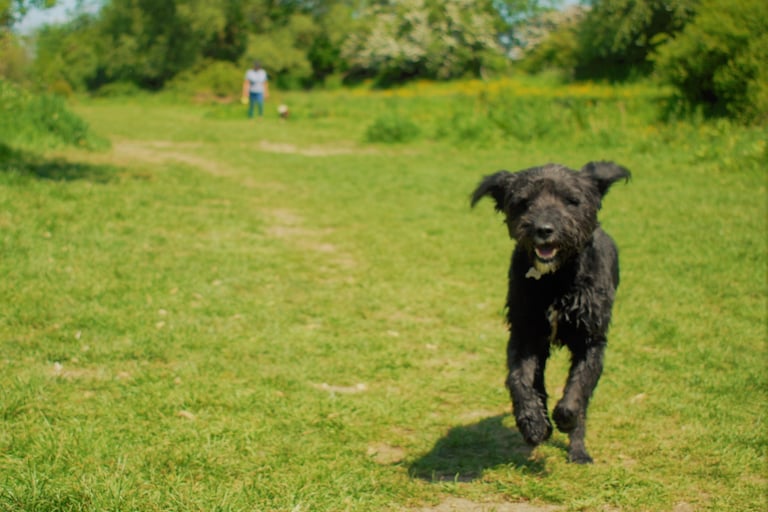
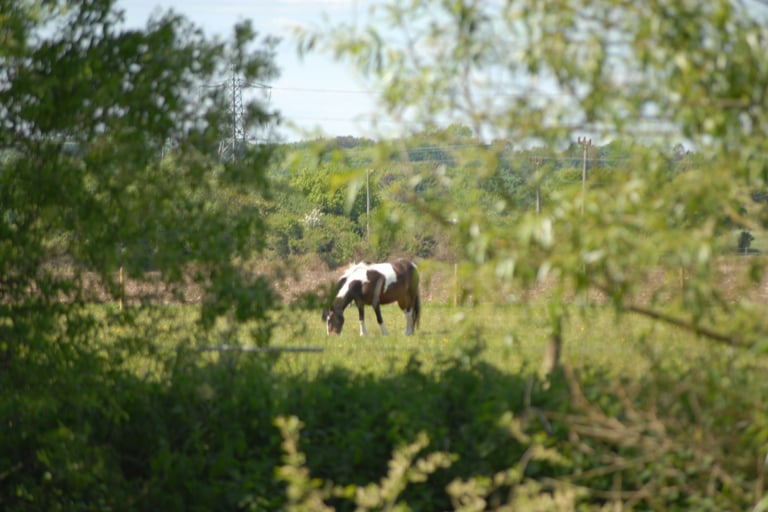
The photo to the right was taken on an Android phone in 2019.
Could the quality be better? 100%.
Did that stop the emotion behind the photograph? Absolutely not.
In fact, this is one of my best selling prints!
What some lower‑end cameras lack in depth or dynamic range,
you can make up for in post‑processing.
The original photo looked flat,
but editing brought it back to life.
And yes, I know you’re looking at Adobe and wondering when the costs end.
That’s why free alternatives like GIMP exist.
It may feel like a blast from the past, but for basic light editing and balancing, it works surprisingly well.
Being a photographer isn't simply about pointing the camera then taking a photo...
It’s about:
Composition
Exposure
Light balance
Depth and perspective
Storytelling
These are the fundamentals that make a photo “work.”
If you want to learn more about these basics, I cover them in my blog The Fundamentals of Beginner Photography.
My Own Budget Setup (And Why It Worked)
I call myself a photographer: I have sold prints, I have been asked to shoot photos for friend events, I have entered photography competition. The only camera I have ever owned has been the Nikon D300, which I bought second-hand from MPB with a 45mm and a 25mm in 2019.
This cost me around £300 including the lens, I bought the bag, spare batteries, strap and cleaning products all from amazon for no more than an additional £100. You can find a setup like mine here!
This camera and lens have provided me with excellent quality images, which for the age of it, is super impressive, proving you don't have to spend thousands if you truly understand photography and you have an eye
Don't get caught up with all the jargon!
Photography jargon can be scary, it really does feel like learning a whole new language when you’re just starting out. For anyone self‑teaching, it’s hard to know where to begin, and even harder to know which terms actually matter.
The best advice I can give is simple:
Get to know your camera first.
Once you understand how your camera behaves, everything else slowly starts to make sense. The more you shoot, the more you’ll naturally learn the technical side, things like exposure, aperture, shutter speed, and focal length. Even what lens to use and what gear you'll need.
You will start to recognise what needs adjusting to get the result you want, the more you go out and experiment!
If you’re using an automatic camera, that’s completely fine. Auto mode does a lot of the heavy lifting and helps you take a good photo without thinking about settings. But if you want to increase depth, control your focal point, or use a slower shutter speed for blurred, dramatic movement, you’ll eventually need to learn how to shoot manually.
The good news is that there are amazing resources for beginners.
There are YouTubers who walk through specific camera models step‑by‑step, as well as books and beginner photography guides that explain the basics clearly. These are perfect for learning at your own pace and building confidence without feeling overwhelmed.
How to Get High‑Resolution Images on a Budget
We all want crisp, high‑resolution, 4K‑style images. But without spending thousands, it’s unlikely you’ll get that level of clarity straight out of the camera.
Still, there are ways to maximise your image quality:
1. Invest in lenses, not bodies
A great lens can dramatically improve sharpness, depth, and colour.
2. Understand megapixels
If your camera is under 40MP, large prints may lose sharpness when stretched too far.
3. Save and export your images correctly
TIFF → best for high‑resolution prints
PNG → ideal for beginners and web use
Always export at your camera’s highest resolution
Keep a master copy of every image
Avoid re‑saving JPEGs (they lose quality each time)
These small habits make a huge difference in your final results.
A Good Laptop Helps More Than You Think
Editing is a huge part of photography, and a slow laptop can make the process frustrating. Waiting for files to open, save, or export can kill your creative flow.
I use a Lenovo YOGA Slim 7 with a Snapdragon X Elite processor - I don’t fully understand the tech behind it, but editing has never been easier or faster. It’s definitely not budget‑friendly, though.
If you’re looking for a budget laptop for photo editing, something like the Dell 15 Laptop DC15250 offers fast processing and good storage at a much lower price.
Look for:
16GB RAM (minimum for editing)
SSD storage
A decent processor (Ryzen or Intel i5/i7 equivalents)
You don’t need a “creator laptop” - just something reliable and fast.
Start Local: The Best Way to Build Skills and Confidence
You don’t need to travel far to take great photos. In fact, shooting locally is one of the best ways to grow as a beginner photographer. Finding good local places to take photos when you're just beginning is going to be more productive than only taking photos when you go somewhere different. Not only will it encourage you to leave your house more but it will also help you to build a local community around you. Local people may be interested in what you're photographing and may ask to see them.
It helps you:
Practise consistently
Learn to see beauty in everyday places
Build confidence approaching people
Connect with your local community
Try photographing:
Nature parks
Forests
Lakes
Canals
Urban corners with plants breaking through concrete
Contrasts between grey buildings and greenery
If you’re brave, ask someone if you can take their portrait - or their dog’s. Most people are flattered
Find Inspiration and Discover Your Photography Niche
If you’re inspired by faces, you might love portrait or street
photography.
If you’re drawn to landscapes, maybe nature photography is
your zone.
Follow photographers you admire.
Study how they edit, how they compose, how they use light.
Try their techniques, then adapt them to your own style.
Your niche will reveal itself through curiosity and experimentation.
Conclusion: Starting Photography on a Budget Is More Achievable Than You Think
Starting photography on a budget can feel intimidating, especially when the industry makes it seem like you need the newest camera, the fastest lens, and a subscription to every editing platform just to take a decent photo. But the truth is far simpler: you can become a great photographer with whatever you have right now.
Your phone, an older second‑hand camera, a basic kit lens - they’re all enough to learn the fundamentals. What matters most is your eye, your curiosity, and your willingness to practise. The more you shoot, the more the technical side will make sense. The more you experiment, the more confident you’ll become. And the more you explore your local area, the more you’ll start seeing stories everywhere.
Photography isn’t about having the best equipment.
It’s about understanding light, composition, emotion, and timing.
It’s about learning how you see the world.
Whether you’re editing on free software, shooting with a second‑hand camera, or learning manual settings for the first time, you’re already on the right path. Every photo you take teaches you something. Every mistake is a lesson. Every moment you capture is part of your growth.
So don’t wait for the “perfect” gear or the “right” moment.
Start with what you have.
Learn as you go.
And let your creativity lead the way.
Your photography journey begins the moment you decide to pick up a camera, not the moment you can afford the most expensive one.
Starting Photography on a Budget: A Beginner’s Guide to Affordable Gear, Simple Editing, and Building Confidence
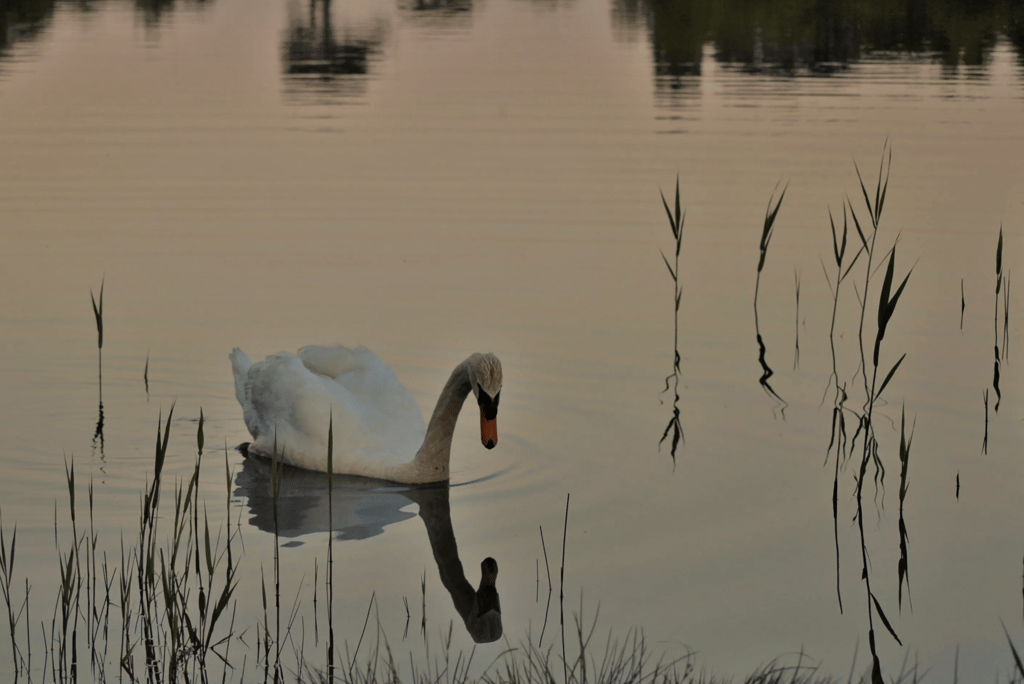
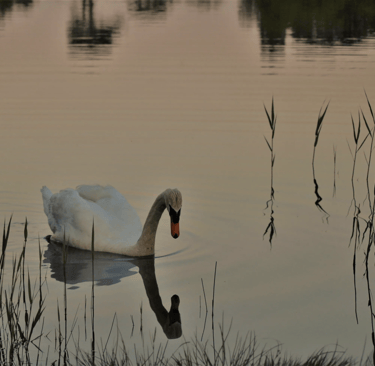
Nikon D300 - 45-200mm
Explore our products
Provide a short description of categories listed below.
SanDisk 128GB Extreme PRO SDXC card


Having a high storage SD card will make things easier when processing.
Acer USB-C SD Card Reader
Don't forget your SD Card Adaptor! Very important to import images.
K&F CONCEPT 15-in-1 Camera Lens Cleaning Kit
Don't wait until you need it!
Not Just A Gallery.
Capturing stunning moments and making artistry a stress free community.
DONATE NOW
INQUIRE
VANAtvp@gmail.com
© 2025. All rights reserved.